

Top Strategies for Cloud Cost, Performance, and Security Optimization
Why Cloud Optimization Matters
Migrating to the cloud offers businesses scalability, flexibility, and agility. However, without careful optimization, cloud environments can become costly, underperforming, or vulnerable to security threats.
Cloud optimization focuses on three critical areas:
- Cost Management: Avoid unnecessary cloud spend by right-sizing resources and monitoring usage.
- Performance Optimization: Ensure applications run smoothly and efficiently.
- Security: Protect sensitive data and maintain compliance with industry standards.
Proper cloud optimization ensures your organization maximizes ROI while maintaining operational resilience.Cost Optimization Strategies
Cloud costs can quickly spiral out of control if not actively managed. Here’s how to keep costs in check:
1. Right-Sizing Resources
- Assess workloads and match cloud resources to actual needs.
- Scale storage and compute instances appropriately.
- Avoid over-provisioning servers, which increases unnecessary costs.
2. Auto-Scaling and Scheduling
- Implement auto-scaling to dynamically adjust resources based on demand.
- Schedule non-critical workloads to run during off-peak hours to reduce compute costs.
3. Multi-Cloud or Hybrid Strategies
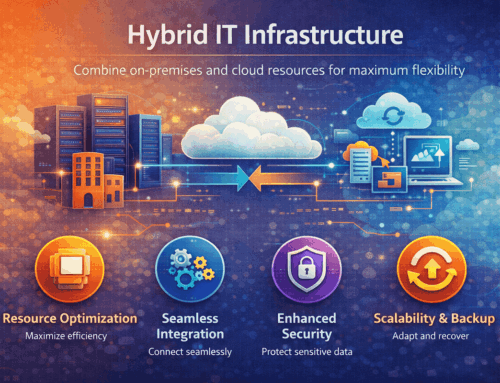
- Use a combination of public and private cloud to optimize costs and performance.
- Avoid vendor lock-in and select services that provide the best price/performance ratio.
Performance Optimization Strategies
Ensuring high performance is critical for cloud-based applications, especially for mission-critical workloads:
1. Optimize Storage Performance
- Use SSD storage for high-demand applications.
- Archive or tier infrequently accessed data to cost-effective storage solutions.
2. Network Optimization
- Implement Content Delivery Networks (CDNs) to improve latency for global users.
- Use WAN optimization and caching to enhance cloud connectivity.
3. Application Performance Monitoring
- Use cloud monitoring tools like AWS CloudWatch, Azure Monitor, or Google Cloud Operations.
- Detect bottlenecks, analyze trends, and proactively resolve performance issues.
Security Optimization Strategies
Security is a top priority for cloud infrastructure. Key strategies include:
1. Identity and Access Management (IAM)
- Enforce strict role-based access control.
- Regularly audit user permissions to prevent unauthorized access.
2. Encryption and Data Protection
- Encrypt data at rest and in transit.
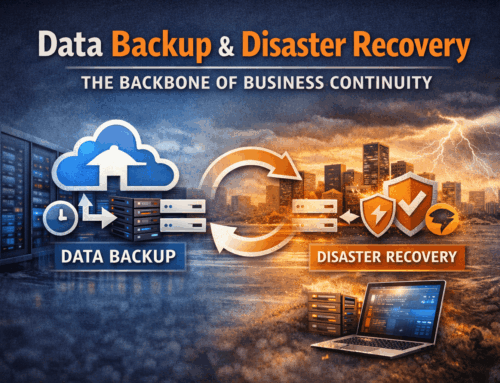
- Regularly back up critical data to secure locations.
3. Continuous Monitoring and Threat Detection
- Implement cloud native security tools for real time threat detection.
- Automate alerts and response workflows for potential security incidents.
Best Practices for Cloud Optimization
- Regularly review your cloud environment: Identify unused resources, oversized instances, or outdated services.
- Set budgets and alerts: Avoid surprises by monitoring costs and usage trends.
- Leverage automation: Use scripts and tools to optimize resources, apply patches, and manage configurations efficiently.
- Train staff: Educate teams on cloud governance, cost awareness, and security best practices.
Real-World Example
A mid-sized e-commerce company struggled with escalating cloud costs and slow application performance. By implementing:
- Right-sized compute instances and storage
- Auto-scaling for peak traffic periods
- Security monitoring with automated threat alerts
The company reduced monthly cloud spending by 30%, improved website load times by 45%, and strengthened security across its cloud infrastructure.
Conclusion
Cloud optimization is not a one-time task it requires continuous monitoring, evaluation, and adjustment. By optimizing cost, performance, and security, businesses can maximize cloud ROI, improve user experience, and protect sensitive data.
Ready to optimize your cloud infrastructure for efficiency, speed, and security?
👉 Contact us today to plan and implement cloud optimization strategies tailored to your business.