
Firewall Configuration and Network Security: Best Practices for 2026
Why Network Security is Critical
In today’s digital first environment, businesses face increasingly sophisticated cyber threats. Network security breaches can result in:
- Data loss or theft
- Business downtime
- Regulatory compliance violations
- Damage to brand reputation
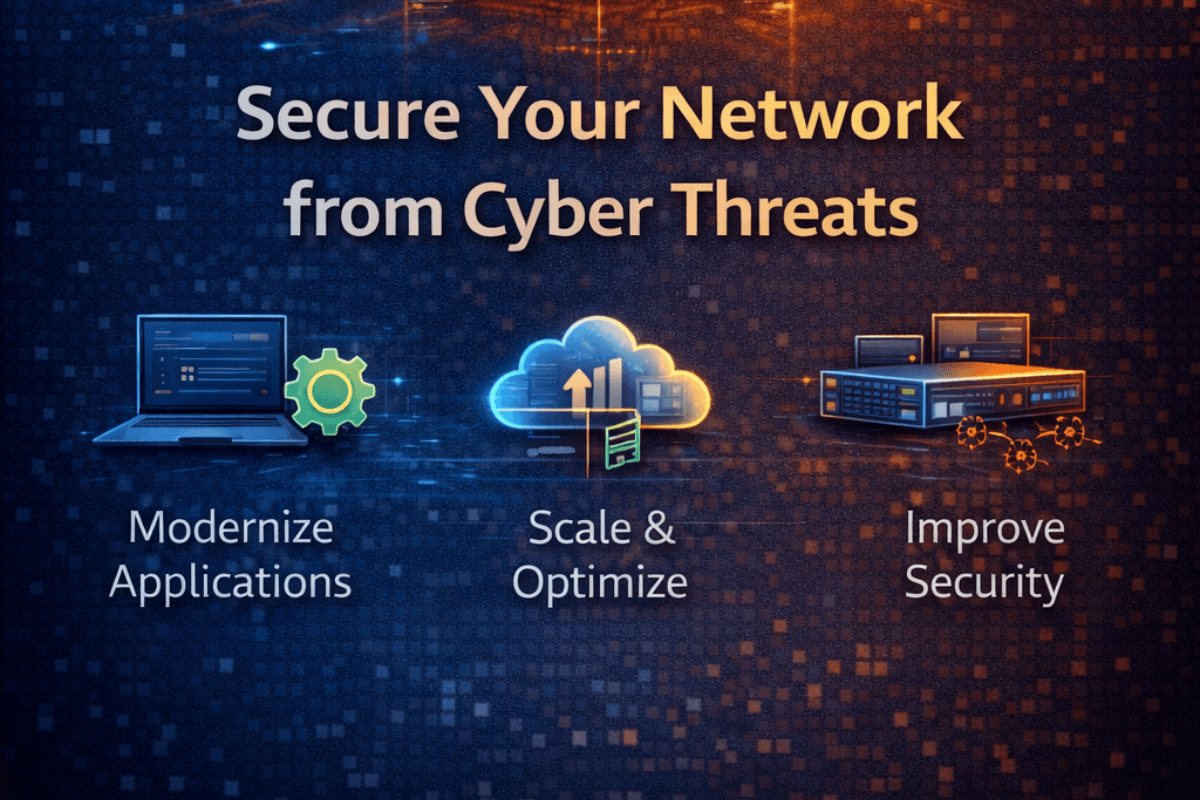
A properly configured firewall and comprehensive network security strategy protects your infrastructure, ensures business continuity, and secures sensitive information.
Understanding Firewalls and Their Role
Firewalls act as the first line of defense between internal networks and external threats. They monitor, filter, and control incoming and outgoing network traffic based on predefined security rules.
Types of firewalls include:
- Network Firewalls: Protect the entire network from unauthorized access
- Next-Generation Firewalls (NGFW): Include advanced features like intrusion prevention, application awareness, and deep packet inspection
- Cloud Firewalls: Protect cloud workloads and hybrid environments
- Host-Based Firewalls: Installed on individual devices to provide endpoint protection
Best Practices for Firewall Configuration
- Define Security Policies Clearly
- Establish rules for allowed and blocked traffic
- Segment networks to isolate sensitive data
- Enforce least privilege access principles
- Regular Updates and Patch Management
- Apply firmware and software updates promptly
- Ensure firewalls are protected against known vulnerabilities
- Enable Logging and Monitoring
- Monitor firewall logs for unusual activity
- Use automated alerts to detect and respond to threats quickly
- Use Layered Security (Defense in Depth)
- Combine firewalls with intrusion detection/prevention systems (IDS/IPS)
- Implement endpoint protection and secure network protocols
- Test and Audit Configurations Regularly
- Conduct vulnerability assessments and penetration testing
- Review firewall rules to remove unnecessary or outdated permissions
Network Security Beyond Firewalls
Firewalls are just one part of a comprehensive network security strategy. Other key components include:
1. VPN and Secure Remote Access
- Encrypt connections for remote employees
- Protect data transmitted over public networks
2. Network Segmentation
- Isolate critical systems to reduce the attack surface
- Limit lateral movement in case of a breach
3. Security Monitoring and Incident Response
- Use Security Information and Event Management (SIEM) tools
- Detect and respond to threats proactively
4. Employee Training and Awareness
- Educate staff about phishing, social engineering, and secure practices
- Establish clear policies for password management and device usage
Real-World Example
A mid-sized financial services company faced frequent phishing and intrusion attempts. By implementing:
- Next-Generation Firewalls with deep packet inspection
- VPNs for remote employees
- Continuous monitoring and automated alerts
The company achieved:
- 99.9% network uptime
- Reduced unauthorized access attempts by 70%
- Faster detection and mitigation of security incidents
This shows that firewalls, combined with comprehensive network security practices, are essential to protect modern IT environments.
Conclusion
Firewall configuration and robust network security are critical for safeguarding your business in 2026 and beyond. Implementing layered security, monitoring, and regular updates ensures your IT infrastructure remains resilient against evolving cyber threats.
Protect your network and secure your business-critical systems.
👉 Contact us today to design and implement high availability and failover solutions tailored to your business.